The steel industry is one of the most important sectors in the global economy. From infrastructure and automobiles to construction and manufacturing, steel plays a critical role in modern development. However, traditional steel production is also one of the largest contributors to carbon emissions worldwide.
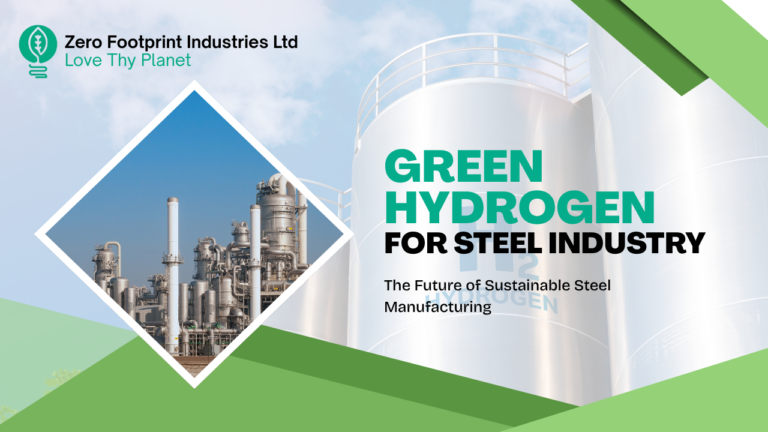
As industries move toward cleaner and more sustainable operations, green hydrogen for steel industry applications is emerging as a game-changing solution. By replacing fossil fuels such as coal and coke in steel manufacturing, green hydrogen offers a cleaner alternative that can significantly reduce environmental impact while maintaining production efficiency.
India, being one of the world’s largest steel producers, is now actively exploring hydrogen-based steel manufacturing to support long-term sustainability goals and reduce industrial emissions.
Why the Steel Industry Needs Cleaner Fuel Alternatives
Steel production traditionally depends on blast furnaces powered by coal and coke. These fuels generate extremely high temperatures required for extracting iron from iron ore. While effective, the process releases large amounts of carbon dioxide into the atmosphere.
With increasing environmental regulations and global pressure to reduce emissions, steel manufacturers are searching for cleaner alternatives that can support industrial production without harming the environment.
This is where green hydrogen for steel industry operations becomes highly important.
Green hydrogen can replace coal during the reduction process, helping steel manufacturers reduce carbon emissions while moving toward sustainable production practices.
What is Green Hydrogen?
Green hydrogen is produced by splitting water into hydrogen and oxygen through electrolysis powered by renewable energy sources such as solar or wind.
Unlike grey hydrogen, which is produced using fossil fuels, green hydrogen generates no carbon emissions during production. This makes it one of the cleanest energy sources available for industrial use.
The use of green hydrogen is rapidly expanding across multiple industries, including transportation, chemicals, energy generation, and heavy manufacturing.
For steel production, green hydrogen provides a cleaner method for reducing iron ore without relying on coal-based processes.
How Green Hydrogen is Used in Steel Manufacturing
To understand the importance of green hydrogen for steel industry applications, it is essential to understand how hydrogen integrates into the steel production process.
Traditional Steel Production
In conventional blast furnace systems:
- Coal is converted into coke.
- Coke reacts with iron ore.
- Carbon removes oxygen from iron ore to produce iron.
- This process releases large amounts of carbon dioxide.
Hydrogen-Based Steel Production
In hydrogen-based systems:
- Green hydrogen replaces coke as the reducing agent.
- Hydrogen reacts with iron ore.
- Oxygen is removed from the ore.
- The byproduct becomes water vapor instead of carbon dioxide.
This process dramatically lowers greenhouse gas emissions while maintaining efficient steel production.
Benefits of Green Hydrogen for Steel Industry
The adoption of hydrogen-based steel manufacturing offers several long-term benefits.
1. Significant Reduction in Carbon Emissions
The biggest advantage of using green hydrogen in steel manufacturing is emission reduction.
Traditional steel plants are among the highest industrial emitters of carbon dioxide. Replacing coal with hydrogen can reduce these emissions significantly and support climate goals.
This makes green hydrogen for steel industry operations essential for achieving cleaner industrial production.
2. Cleaner Industrial Operations
Hydrogen-based systems produce water vapor instead of harmful greenhouse gases. This contributes to:
- Better air quality
- Reduced environmental pollution
- Sustainable manufacturing practices
As industries increasingly prioritize ESG goals and environmental compliance, hydrogen becomes a highly attractive solution.
3. Long-Term Energy Sustainability
Coal and fossil fuels are finite resources with fluctuating prices. Green hydrogen, however, can be produced using renewable energy sources like solar and wind.
This creates a more stable and sustainable energy ecosystem for the steel industry.
4. Alignment with Global Sustainability Goals
Many countries and industries are adopting net-zero emission targets. Steel manufacturers using green hydrogen can align more effectively with international sustainability standards and environmental regulations.
This also improves global competitiveness for steel exporters.
5. Future-Ready Industrial Infrastructure
Hydrogen technology is becoming a major part of the future industrial economy. Early adoption allows steel companies to modernize infrastructure and remain competitive in evolving global markets.
Why India is Focusing on Hydrogen-Based Steel Production
India is one of the world’s leading steel producers, making the sector highly important for the country’s economy. At the same time, industrial emissions remain a major challenge.
The adoption of green hydrogen for steel industry applications supports several national priorities:
Reducing Carbon Emissions
Hydrogen helps reduce the environmental impact of large-scale industrial operations.
Supporting Renewable Energy Growth
Hydrogen production encourages greater use of solar and wind power.
Improving Energy Independence
Green hydrogen can be produced domestically, reducing reliance on imported fossil fuels.
Building Sustainable Manufacturing
Hydrogen-based production supports long-term industrial sustainability.
India’s increasing investment in hydrogen infrastructure demonstrates the country’s commitment to clean industrial energy solutions.
Challenges in Adopting Green Hydrogen in Steel Industry
Although hydrogen-based steel manufacturing offers many advantages, several challenges still exist.
1. High Initial Investment
Developing hydrogen infrastructure and upgrading steel plants requires significant capital investment.
Electrolysis systems, storage units, and transportation infrastructure all contribute to initial costs.
2. Hydrogen Production Capacity
Large-scale steel manufacturing requires massive quantities of hydrogen. Expanding green hydrogen production is essential to meet future industrial demand.
3. Infrastructure Development
Hydrogen transportation and storage require specialized systems and safety standards.
The industry needs:
- Hydrogen pipelines
- Storage facilities
- Refueling systems
- Distribution networks
4. Technology Transition
Existing steel plants are designed around coal-based systems. Transitioning to hydrogen-based processes involves technological modifications and operational changes.
However, as hydrogen technology advances and production costs decrease, these challenges are expected to become more manageable.
Role of Green Hydrogen Companies in Industrial Transformation
The growth of hydrogen-based steel manufacturing depends heavily on reliable hydrogen production and supply systems.
A trusted green hydrogen company supports industries by:
- Producing high-purity hydrogen
- Developing scalable energy solutions
- Supporting industrial integration
- Providing sustainable fuel alternatives
Companies like Zero Footprint Industries Ltd are contributing to the development of clean hydrogen infrastructure and helping industries transition toward low-carbon operations.
As hydrogen demand grows, industrial partnerships will play a major role in scaling adoption across manufacturing sectors.
Future of Green Hydrogen in Steel Manufacturing
The future of hydrogen-based steel production looks highly promising.
Several trends are driving growth:
- Rising demand for low-carbon steel
- Government sustainability initiatives
- Advancements in electrolysis technology
- Growth of renewable energy infrastructure
- Increasing industrial decarbonization efforts
As these developments continue, green hydrogen for steel industry applications is expected to become a major part of global steel manufacturing.
India has strong potential to become a leader in sustainable steel production by integrating green hydrogen into industrial operations.
Environmental Impact of Hydrogen-Based Steel Production
The environmental benefits of hydrogen-based steel production are significant.
Lower Greenhouse Gas Emissions
Replacing coal with hydrogen reduces carbon dioxide emissions dramatically.
Cleaner Industrial Air
Hydrogen systems produce fewer pollutants compared to fossil fuel-based operations.
Support for Renewable Energy
Hydrogen production encourages the expansion of renewable power generation.
Sustainable Resource Usage
Hydrogen-based systems support cleaner resource utilization and long-term sustainability.
These environmental advantages make hydrogen one of the most promising solutions for heavy industries.
Conclusion
The steel industry is entering a transformative phase where sustainability and industrial growth must work together. Traditional manufacturing methods are no longer enough to meet environmental expectations and global climate goals.
This is why green hydrogen for steel industry applications is gaining momentum across the world. By replacing fossil fuels with clean hydrogen energy, steel manufacturers can reduce emissions, improve sustainability, and build future-ready industrial infrastructure.
India’s growing focus on hydrogen energy, renewable power, and industrial decarbonization positions the country for significant progress in sustainable steel manufacturing.
As hydrogen production technology continues to advance, green hydrogen will play a critical role in shaping the future of the steel industry and driving cleaner industrial growth for decades to come.