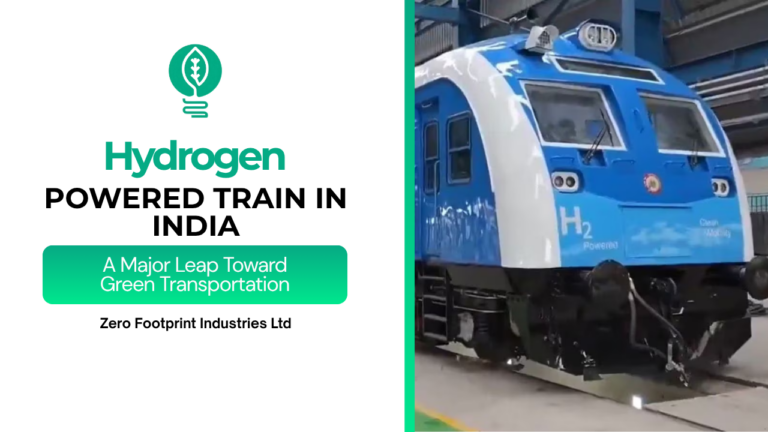
India is preparing to enter a new phase of sustainable transportation with the introduction of the first hydrogen powered train in India. As the country focuses on cleaner energy and lower carbon emissions, hydrogen-powered rail technology is emerging as a game-changing innovation for the railway sector.
The upcoming hydrogen train project is expected to redefine railway transportation by combining modern engineering with environmentally friendly energy solutions. Designed to operate with significantly lower emissions than diesel locomotives, this initiative highlights India’s growing commitment to clean mobility and green hydrogen adoption.
With increasing investments in renewable energy and hydrogen infrastructure, the launch of hydrogen-powered trains represents more than just technological advancement—it marks the beginning of a long-term transformation in public transportation.
What is a Hydrogen Powered Train?
A hydrogen-powered train uses hydrogen fuel cell technology to generate electricity instead of relying on diesel engines. In this system, hydrogen reacts with oxygen inside fuel cells to produce electricity, and the only byproducts are water vapor and heat.
This makes hydrogen trains one of the cleanest transportation options available today. Unlike traditional trains that depend on fossil fuels, hydrogen-powered locomotives offer a sustainable alternative for reducing environmental impact.
The development of the first hydrogen powered train in India reflects the country’s broader efforts to integrate green energy into major infrastructure projects.
Why India is Introducing Hydrogen Trains
India has one of the world’s largest railway networks, transporting millions of passengers and large volumes of freight every day. While railway electrification has expanded rapidly, many routes still rely on diesel locomotives.
Hydrogen-powered trains offer a practical solution for reducing emissions without requiring complete electrification of every rail line.
Key Reasons Behind This Initiative
1. Reducing Carbon Emissions
Diesel-powered trains contribute significantly to air pollution and greenhouse gas emissions. Hydrogen trains help minimize this environmental impact by operating on clean energy.
2. Promoting Green Hydrogen
Hydrogen-powered transportation increases demand for green hydrogen production, supporting India’s clean energy ecosystem.
3. Sustainable Infrastructure Development
The railway sector is moving toward eco-friendly technologies that align with long-term climate goals.
4. Lower Dependence on Fossil Fuels
Hydrogen can be produced domestically using renewable energy sources, reducing dependence on imported fuel.
5. Innovation in Public Transport
The hydrogen train project demonstrates India’s ability to adopt advanced technologies and modernize transportation systems.
The introduction of the first hydrogen powered train in India is therefore both an environmental and technological milestone.
How Hydrogen Train Technology Works
Hydrogen trains use a combination of fuel cells, batteries, and electric motors to operate efficiently.
Hydrogen Storage
Compressed hydrogen is stored in specially designed onboard tanks that meet strict safety standards.
Fuel Cell System
Inside the fuel cell, hydrogen combines with oxygen from the air to generate electricity through a chemical reaction.
Battery Support
Additional batteries store excess energy generated during braking and support power requirements during acceleration.
Electric Propulsion
The electricity produced powers electric motors that drive the train forward smoothly and quietly.
This system creates a cleaner and more energy-efficient alternative to diesel locomotives.
Expected Features of India’s Hydrogen Train
The first hydrogen powered train in India is expected to include advanced features focused on sustainability, performance, and passenger comfort.
Eco-Friendly Operations
The train will produce minimal emissions, making it suitable for environmentally sensitive regions.
Reduced Noise Levels
Hydrogen fuel cells operate more quietly compared to traditional diesel engines.
Modern Design and Safety Systems
The train will likely include advanced monitoring systems for hydrogen storage, pressure management, and operational safety.
Efficient Energy Usage
By combining fuel cells with battery systems, the train can maximize energy efficiency and reduce operational costs.
Suitable for Non-Electrified Routes
Hydrogen-powered trains are ideal for routes where installing overhead electrical infrastructure may not be practical.
These features make hydrogen rail technology an important step toward cleaner public transportation.
The Growing Role of Green Hydrogen in India
Green hydrogen is becoming a major focus area for India’s energy transition. Produced using renewable energy sources such as solar and wind power, green hydrogen offers a zero-carbon alternative to fossil fuels.
As industries and transportation systems increasingly adopt hydrogen energy, the demand for reliable hydrogen production infrastructure is also rising.
Companies like Zero Footprint Industries Ltd are contributing to this transition by supporting sustainable hydrogen production and promoting clean energy solutions for industrial and transportation applications.
The launch of the first hydrogen powered train in India will likely accelerate investments in hydrogen production, storage, and supply systems across the country.
Benefits of Hydrogen-Powered Railways
Hydrogen trains provide multiple long-term benefits for both the environment and the transportation sector.
1. Cleaner Air
Since hydrogen fuel cells produce only water vapor, they help improve air quality and reduce pollution.
2. Lower Carbon Footprint
Replacing diesel locomotives with hydrogen-powered systems significantly reduces greenhouse gas emissions.
3. Energy Efficiency
Hydrogen fuel cells can operate efficiently over long distances, making them suitable for railway applications.
4. Reduced Fuel Dependency
Hydrogen can be produced locally using renewable energy, improving energy security.
5. Sustainable Transportation
Hydrogen trains align with global efforts to create greener and more sustainable transportation networks.
These benefits explain why many countries are investing heavily in hydrogen rail technology.
Challenges in Implementing Hydrogen Trains
Despite their advantages, hydrogen-powered trains also face several challenges:
Infrastructure Requirements
Hydrogen refueling stations and storage facilities need to be developed at scale.
Initial Investment
Hydrogen train systems and associated infrastructure require significant upfront investment.
Hydrogen Production Capacity
A stable supply of green hydrogen is essential for long-term operations.
Technology Development
Fuel cell efficiency and hydrogen storage technologies continue to evolve.
However, continuous innovation and growing investment in clean energy are helping overcome these obstacles.
Future of Hydrogen Transportation in India
The launch of the first hydrogen powered train in India could pave the way for broader hydrogen adoption across transportation sectors.
Potential future developments include:
- Hydrogen-powered freight trains
- Clean public transportation systems
- Hydrogen buses and trucks
- Expanded green hydrogen production infrastructure
- Integration of renewable energy with transportation networks
As hydrogen technology matures, India may emerge as a leading hub for sustainable mobility solutions.
Environmental and Economic Impact
Hydrogen-powered transportation offers both environmental and economic advantages.
Environmental Benefits
- Reduced greenhouse gas emissions
- Cleaner transportation systems
- Lower air and noise pollution
Economic Benefits
- Growth of the green hydrogen economy
- New job opportunities in manufacturing and energy sectors
- Reduced dependence on imported fuels
- Increased investment in renewable energy infrastructure
The success of hydrogen trains could create ripple effects across multiple industries and accelerate India’s clean energy transition.
Conclusion
The arrival of the first hydrogen powered train in India represents a major advancement in the country’s journey toward sustainable transportation. By combining hydrogen fuel cell technology with modern railway systems, India is taking a significant step toward reducing emissions and building greener infrastructure.
Hydrogen-powered trains are not only environmentally responsible but also technologically advanced, efficient, and suitable for future transportation needs. As green hydrogen production expands and infrastructure improves, hydrogen mobility is expected to play a central role in India’s clean energy future.
This initiative reflects a broader vision of innovation, sustainability, and energy independence—one that could transform not only railways but the entire transportation ecosystem in the years ahead.