India is entering a new era in energy, where sustainability and carbon neutrality are no longer optional, they are essential. Green hydrogen has emerged as a revolutionary solution, with industries actively exploring alternate fuels for steel industries and other sectors. As India invests in infrastructure and technology, the future of green hydrogen in India is becoming increasingly promising.
Leading initiatives, such as India’s Largest Independent Green Hydrogen Plant, demonstrate how large-scale projects are enabling cleaner production, reducing carbon emissions, and supporting the industrial transition to renewable fuels.
Why Green Hydrogen is the Fuel of the Future
Hydrogen is one of the most versatile energy sources available today. When produced using renewable energy, it becomes green hydrogen, a carbon-free fuel that can replace traditional fossil fuels in many industrial processes.
The advantages of green hydrogen include:
- Zero Carbon Emissions: Unlike coal, natural gas, or grey hydrogen, green hydrogen produces no greenhouse gases.
- Versatile Applications: It can be used in steel production, energy generation, chemical processes, and even transportation.
- Energy Security: Local production reduces dependence on imported fossil fuels.
- Scalable and Sustainable: Plants can expand as demand grows, using renewable energy sources like solar and wind.
With these benefits, green hydrogen is set to play a pivotal role in India’s energy transition.
Alternate Fuels for Steel Industries in India
The steel industry is one of the largest contributors to carbon emissions in India. Traditionally, steel production relies on coal and coke, both of which generate significant greenhouse gases.
Switching to alternate fuels for steel industries, such as green hydrogen, offers a sustainable solution. Here’s how it works:
- Hydrogen-Based Direct Reduction: Green hydrogen replaces coal in the steel-making process, reducing carbon emissions significantly.
- Energy Efficiency: Hydrogen reacts with iron ore to produce iron, creating water vapor instead of carbon dioxide.
- Cost Management: Although initially more expensive, renewable energy and government incentives are making hydrogen increasingly viable.
By adopting green hydrogen, steel manufacturers can align with global climate targets while maintaining industrial productivity.
India’s Largest Independent Green Hydrogen Plant
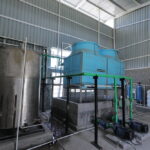
One of the most remarkable developments in India’s hydrogen sector is India’s Largest Independent Green Hydrogen Plant. This facility demonstrates the scale and potential of green hydrogen production in India.
Key features of such a plant include:
- Massive Production Capacity: Capable of supplying hydrogen to multiple industries simultaneously.
- Renewable Energy Integration: Powered entirely by solar, wind, or other renewable energy sources.
- High Purity Hydrogen: Suitable for steel, chemical, and energy applications.
- Scalable Infrastructure: Designed to expand as demand for green hydrogen grows.
Facilities like this set benchmarks for industrial sustainability, proving that large-scale green hydrogen projects are feasible and commercially viable in India.
Future of Green Hydrogen in India
The future of green hydrogen in India is shaped by multiple factors:
1. Government Initiatives
Policies such as the National Hydrogen Mission encourage research, production, and adoption of hydrogen. Incentives for renewable energy integration and carbon reduction support large-scale industrial use.
2. Industrial Adoption
Sectors like steel, chemicals, power generation, and transportation are increasingly exploring green hydrogen. By using alternate fuels for steel industries, companies reduce emissions and comply with international sustainability standards.
3. Technological Advancements
Ongoing research is improving electrolysis efficiency, reducing costs, and enhancing storage solutions. These innovations make green hydrogen more affordable and scalable for industrial applications.
4. Investment in Large-Scale Projects
Projects such as India’s Largest Independent Green Hydrogen Plant demonstrate that India can produce green hydrogen at scale, supporting domestic industries and positioning the country as a global hydrogen hub.
5. Global Collaborations
International partnerships provide access to cutting-edge technology, funding, and expertise, accelerating the adoption of hydrogen energy in India.
Industrial Applications Driving Growth
Green hydrogen is not just a concept, it is actively being used across industries:
- Steel Production: Hydrogen replaces coal, reducing carbon emissions and supporting sustainable manufacturing.
- Energy Generation: Hydrogen fuel cells provide clean electricity for industrial and commercial use.
- Chemical Industry: Green hydrogen acts as a feedstock for producing ammonia, methanol, and other chemicals.
- Transportation: Hydrogen-powered buses, trucks, and trains reduce reliance on diesel and petrol.
- High-Temperature Industrial Heat: Hydrogen provides clean heat for industries like cement and glass.
By integrating green hydrogen, industries can significantly reduce their carbon footprint while improving operational efficiency.
Why Choose a Trusted Green Hydrogen Company
A reliable green hydrogen company provides not only fuel but also technical expertise and support for industries. Key benefits include:
- High-Quality Hydrogen Supply: Ensures industrial-grade purity for specific applications.
- Scalable Solutions: Supports businesses as demand for hydrogen grows.
- Sustainability Focus: Reduces emissions and promotes renewable energy adoption.
- Expert Guidance: Helps industries integrate hydrogen into existing processes efficiently.
Zero Footprint Industries Ltd, for example, is leading the way in providing sustainable hydrogen solutions and supporting India’s green energy transition.
Challenges and Opportunities
While the future is promising, green hydrogen adoption faces challenges:
- High Initial Costs: Electrolysis and infrastructure setup require significant investment.
- Infrastructure Development: Hydrogen storage, pipelines, and transport systems need expansion.
- Regulatory Framework: Supportive policies and incentives are essential to scale adoption.
- Renewable Energy Dependency: Stable and abundant renewable energy is required for large-scale production.
Despite these challenges, the opportunities outweigh the obstacles. India has vast solar and wind resources, a growing industrial base, and a supportive government, creating the ideal environment for green hydrogen to flourish.
Conclusion
The future of green hydrogen in India is bright, driven by technology, industrial demand, and government initiatives. By adopting alternate fuels for steel industries and other sectors, India can reduce carbon emissions, improve energy security, and achieve its sustainability goals.
Projects like India’s Largest Independent Green Hydrogen Plant demonstrate that large-scale production is not only feasible but essential for the country’s energy transition. Working with a trusted green hydrogen company, such as Zero Footprint Industries Ltd, ensures industries can integrate clean hydrogen efficiently, safely, and sustainably.
Green hydrogen is more than a renewable fuel, it is the cornerstone of India’s energy future, powering industries, reducing carbon footprints, and supporting a cleaner, greener economy.